Portable Power Station Setup for Reliable Backup Energy
Portable power stations have become essential for ensuring a steady supply of energy when the grid falters or you’re adventuring outdoors. Setting up these power sources may seem daunting, but with the right guidance, anyone can establish a reliable system. This guide walks you through the setup process to ensure your devices stay powered. Whether at home or out camping, understanding the capabilities of your portable power station can make a significant difference. With easy setup steps and safety tips, you’ll be prepared for any situation. Plus, learn how solar charging can be used to maximize efficiency, offering an eco-friendly solution to keep things running smoothly without the noise or emissions associated with traditional generators.

Why Portable Power Stations Are Ideal for Backup Energy
When You Need a Backup Power Solution
Emergencies, like power outages due to storms, extreme weather, or unexpected grid failures, highlight the growing need for dependable backup power at home. Having a portable power station ensures that essential devices, like medical equipment, communication tools, refrigerators, and lighting, remain operational. They provide peace of mind during blackouts and allow families to maintain safety, connectivity, and daily comfort until normal electricity service is restored.
Advantages Over Traditional Generators
Portable power stations outshine generators by offering quiet operation, ease of use, and zero emissions. They are perfect for both indoor and outdoor use, making them versatile for homes, RV trips, camping, or emergency kits. Compared to noisy, fuel-hungry generators, these stations are eco-friendly and kinder to the environment. They also eliminate the need for fuel storage, complicated maintenance, and exhaust management during operation.
Choosing the Right Portable Power Station
Battery Capacity and Output Power
For consistent power during outages, consider the battery capacity. Higher watt-hours (Wh) mean more energy storage and longer runtime for essential devices like refrigerators, laptops, and lighting systems. Match the output power to your devices, as more demanding appliances require higher wattage. Understanding both capacity and output helps ensure your portable power station can handle multiple devices simultaneously without overloading.
Key Features to Look For in Modern Power Stations
Modern units come with various features like fast charging, multiple output ports, and solar compatibility for sustainable energy use. Seek stations offering expandable capacity, intelligent battery management systems, and efficient recharging options to future-proof your investment. Features such as smart displays, mobile app control, and advanced safety protections can also significantly improve convenience, monitoring, and long-term usability.
Step-by-Step Portable Power Station Setup
Step 1: Pick a Safe Location and Prepare the Unit
Place your power station in a stable, dry location where it will remain safe and easily accessible during emergencies. Ensure it’s away from direct heat, moisture, or areas with heavy foot traffic. Check that the battery is sufficiently charged before use. Familiarize yourself with all connectors, ports, and outlets so you can quickly power devices when an outage occurs.
Step 2: Connect Devices and Manage Power Loads
Strategically plug in devices, starting with the most critical items such as refrigerators, communication devices, and lighting. Balance the load by checking the wattage of connected equipment to avoid overloads or unexpected shutdowns. Use the manufacturer’s guidelines to manage and extend battery life. Monitoring power consumption also helps maximize runtime during extended outages.
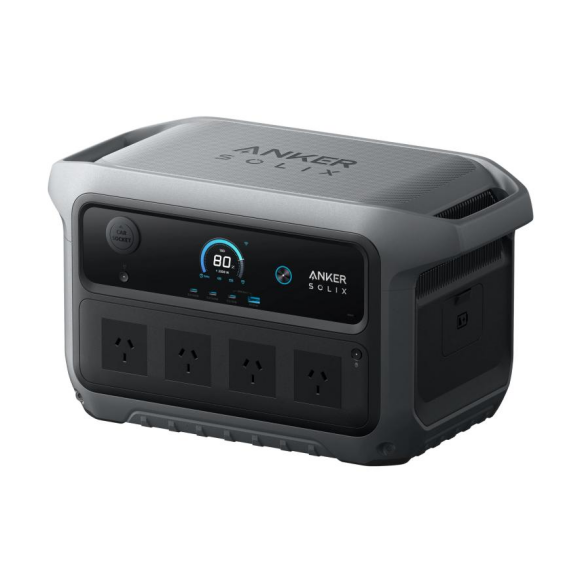
Reliable Backup Example: Anker SOLIX C2000 Gen 2 Setup
Key Features for Home and Outdoor Backup
This unit supports 99% of appliances with its 4,096 Wh capacity and runs silently at 30 dB, making it ideal for both indoor and outdoor environments. It recharges swiftly via six methods, including the world’s quickest AC + Solar configuration. Its LFP battery technology promises exceptional longevity with up to 4,000 cycles, ensuring years of reliable backup power for emergencies or off-grid use.
Example Devices You Can Power During Outages
With the anker SOLIX C2000 Gen2, tackle power issues head-on during outages or unexpected disruptions. It can support hefty appliances like a refrigerator (480W), microwave (1,400W), televisions, laptops, and even a washing machine (3,000W). Its improved portability—29% smaller and 25% lighter than similar models—makes it easier to move around the house or bring along for outdoor trips and camping adventures.
Conclusion
Setting up a portable power station, like the Anker SOLIX C2000 Gen 2, ensures readiness for power interruptions. By following the setup steps, you can secure your home or outdoor adventures against the unexpected. With the added benefit of solar charging, these stations provide a cleaner, quieter alternative to generators. They are a must-have for anyone ranging from homeowners to outdoor enthusiasts who seek reliability through the latest in power technology. Prioritize understanding your power needs and keep your essential devices running smoothly in any situation.