How Much Renewable Energy Storage Does Your Home Need?
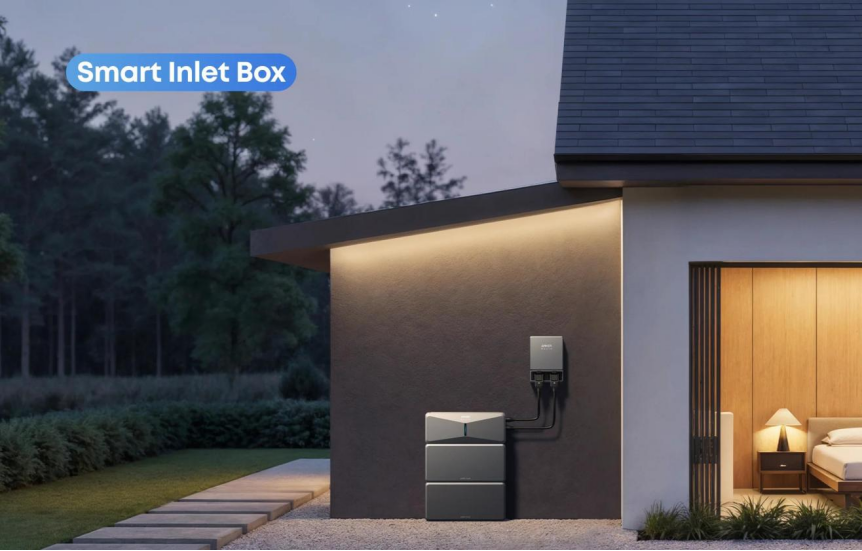
Renewable energy storage for a home should cover the electricity you actually use, the appliances you want to run during an outage, and the number of hours you need backup power. For most households, that means starting with daily energy consumption in kilowatt-hours, then sizing battery capacity to match your goals. A small setup may support lights, Wi-Fi, refrigeration, and device charging, while a larger system can help run HVAC, kitchen loads, and more of the home. If you also have solar panels, storage can capture excess daytime production for use at night or during blackouts. The right size is practical, measurable, and based on your real load profile.

How to Calculate the Right Renewable Energy Storage Capacity
Calculate Your Daily Energy Use and Required Battery Capacity in kWh
Start with your utility bill or smart meter data and find your average daily electricity use in kWh. Many efficient homes use around 10 to 15 kWh per day, average family homes often fall near 20 to 30 kWh, and larger all-electric homes may use 30 kWh or more. Next, decide whether you want battery storage for daily solar shifting, outage backup, or both. For backup sizing, multiply the appliances you plan to run by their hours of use. For example, a refrigerator, lights, internet router, fans, and phone charging may total 8 to 12 kWh per day. That number gives you a solid baseline for required renewable energy storage capacity.
Adjust for Battery Efficiency, Depth of Discharge, and Backup Duration
After estimating your load, increase the target capacity to account for real-world battery performance. If you need 12 kWh of usable energy and your system efficiency is about 90 percent, divide 12 by 0.9 to get roughly 13.3 kWh. Then consider depth of discharge, which limits how much of the battery you should use regularly to support long service life. Backup duration also matters. A one-day outage may only require your daily essential load, while a two-day outage doubles that need unless solar recharging is available. Homes with strong solar production can often choose a smaller battery than homes relying on storage alone through overnight use and grid interruptions.
How Much Renewable Energy Storage Do Different Homes Need?
Storage Capacity for Small, Medium, and Large Homes
Small homes, apartments, or highly efficient houses often need about 5 to 10 kWh of storage for basic overnight use or essential backup. Medium-sized homes commonly benefit from 10 to 20 kWh, which can cover refrigeration, lighting, electronics, and selected outlets with more comfort. Large homes, especially those with electric water heating, larger HVAC loads, or multiple occupants, often need 20 to 30 kWh or more for broader coverage. If your goal is whole-home renewable energy storage rather than selective backup, size closer to your actual daily consumption. Pairing battery capacity with expected solar generation is important too, since underproducing solar can leave even a large battery partially recharged.
Storage Needs for Essential Backup vs. Whole-Home Power
Essential backup usually means powering key circuits only, such as the refrigerator, freezer, lights, modem, medical devices, garage door, and a few outlets. That often fits within 5 to 15 kWh, depending on runtime. Whole-home backup is larger because it may include central air conditioning, laundry, cooking appliances, water pumps, and other heavy loads. Many homes need 20 to 40 kWh for that level of coverage, especially if they want overnight autonomy. Power output matters as much as capacity because batteries must start and run large appliances safely. A storage system with enough kWh but insufficient output can still leave major loads offline during an outage or high-demand evening periods.
How to Choose and Size a Renewable Energy Storage System
Match Battery Capacity, Power Output, and Expandability to Your Needs
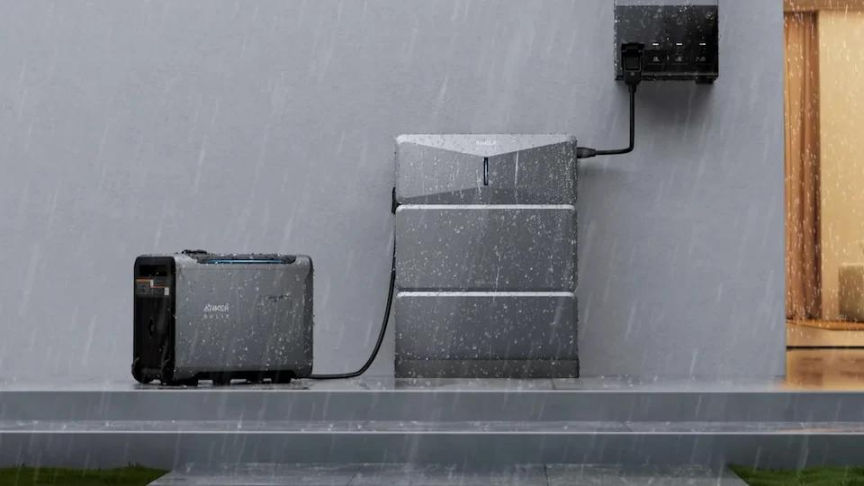
Choose a system by looking at three numbers together: usable battery capacity, continuous power output, and future expandability. Capacity in kWh determines how long you can run loads. Power output in kW determines what you can run at the same time. A home with modest daily use may still need strong output for a well pump or air conditioner startup. Expandability matters because energy needs often grow with electric vehicles, new appliances, or longer backup goals. Also check solar input, transfer speed, weather protection, installation options, warranty coverage, and battery chemistry. LFP batteries are popular for safety, longevity, and consistent home backup performance.
Plan Your Home Energy Storage Setup with Anker SOLIX Renewable Energy Storage
For households planning broader backup coverage, Anker SOLIX renewable energy storage offers a scalable path. The Anker SOLIX E10 Whole-Home Backup provides 6,144 Wh per battery and supports up to 30 kWh total capacity with one power module, with 6 to 90 kWh battery expandability across larger setups. It delivers 7,680W continuous output and up to 10,000W turbo backup output for 90 minutes, with 10 to 30kW turbo output in expanded systems. It also supports 9 to 27kW solar input, starts up to a 5-ton central A/C, and offers seamless switchover in 20ms or less during outages.
Conclusion
Most homes need renewable energy storage sized from actual electricity use, not guesswork. A practical rule is to calculate your essential or total daily load in kWh, adjust for efficiency, and match that number with the backup hours you want. Small homes often land near 5 to 10 kWh, medium homes around 10 to 20 kWh, and larger whole-home systems commonly require 20 kWh or more. If you have solar, include expected production so the battery can recharge reliably between nights or outages. The best system balances capacity, output, and room to expand, giving you backup power that fits your household instead of overspending on unnecessary storage.