
Managing Hemolyzed Blood Samples in Bioanalysis
Hemolyzed blood samples remain a persistent challenge for DMPK and bioanalytical laboratories. Ruptured red blood cells release intracellular contents that change matrix composition, influence analyte stability, and interfere with quantitative assays. If teams ignore or mishandle hemolysis, they risk biased pharmacokinetic profiles, misleading safety signals, and failed regulatory submissions. By understanding how hemolysis occurs, how to detect it, and how to mitigate its impact, bioanalytical scientists can protect data quality. Robust processes, clear decision trees, and well‑designed methods allow laboratories to manage hemolyzed samples without compromising timelines.
Understanding Hemolysis and Its Impact on Bioanalysis
Hemolysis alters plasma or whole‑blood composition and may distort measured analyte concentrations. Recognizing the mechanisms, sources, and analytical consequences of hemolyzed samples supports better method design, troubleshooting, and regulatory‑compliant bioanalysis.
What Happens When Blood Samples Become Hemolyzed?
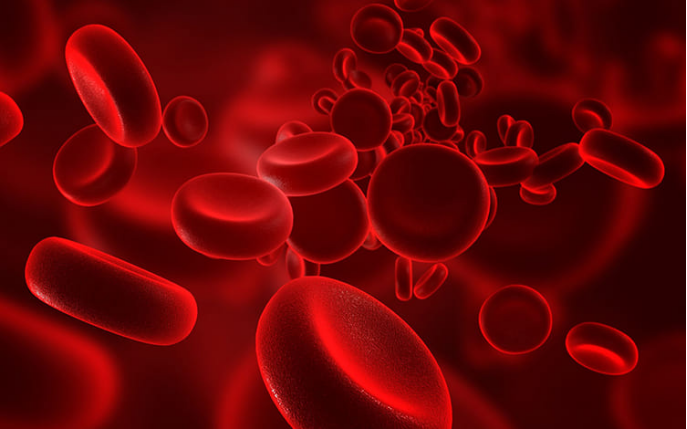
When hemolysis occurs, red blood cells break and release hemoglobin, enzymes, and electrolytes into plasma or serum. This process can result from difficult venipuncture, small-bore needles, vigorous shaking, delayed processing, or improper centrifugation. Visual changes range from slight pink discoloration to dark red plasma. Hemoglobin increases sample absorbance, while released components can shift pH and ionic strength. These alterations may destabilize analytes or internal standards and can promote protein binding changes. Understanding these mechanisms helps laboratories trace pre-analytical errors and build realistic acceptance criteria for hemolyzed blood sample evaluation.
How Hemolysis Affects Bioanalytical Accuracy and Matrix Effects?
Hemolyzed matrices can amplify ion suppression or enhancement in LC‑MS/MS, alter extraction recovery, and bias calibration curve performance. Free hemoglobin and phospholipids compete for charge, modify droplet formation, and disrupt chromatographic separation. Enzymes and reactive species may degrade unstable analytes, particularly labile metabolites and prodrugs. As a result, measured concentrations may appear falsely low or high, affecting Cmax, AUC, and half‑life estimates. Without proper evaluation of matrix effects and stability in hemolyzed samples, results risk failing regulatory scrutiny and misinforming clinical dose selection.
Practical Strategies for Managing Hemolyzed Samples in Bioanalysis
Effective management involves standardized hemolysis assessment, clear rules for sample disposition, and tailored sample preparation. These strategies maintain data integrity while preserving valuable samples in nonclinical and clinical DMPK studies.
Detection and Classification of Hemolysis Levels Using Standardized Methods
Laboratories should apply a consistent, documented approach to classify hemolysis levels. Visual grading provides a rapid first check using color charts that compare sample appearance with reference standards. For higher precision, automated clinical analyzers or spectrophotometric assays quantify hemoglobin concentration at defined wavelengths. Many teams categorize hemolysis as none, mild, moderate, or severe using validated thresholds in g/L or mg/dL. Recording hemolysis scores in laboratory information management systems allows trending, correlation with assay performance, and early identification of problematic collection sites or operators.
Sample Handling Decisions: Accept, Reject, or Reanalyze
Once hemolysis classification is available, scientists apply predefined decision trees. Mildly hemolyzed samples may be acceptable when method validation demonstrates a negligible impact within that range. Moderately hemolyzed samples might require reanalysis, dilution, or parallel comparison with non‑hemolyzed quality control results. Severely hemolyzed specimens could be rejected, especially if they fail assay acceptance criteria or exceed validated matrix effect limits. Bioanalytical plans should describe handling rules before study start, including how to document deviations, communicate with clinical teams, and manage missing data in pharmacokinetic analyses.
Applying Dilution, Stabilization, and Sample Preparation Techniques
Dilution into surrogate matrices or buffers can reduce hemoglobin concentration and mitigate matrix effects, provided dilution integrity is established during validation. Addition of stabilizers, such as enzyme inhibitors, antioxidants, or pH modifiers, may preserve labile analytes in hemolyzed samples. Optimized sample preparation techniques, including protein precipitation, liquid‑liquid extraction, or solid‑phase extraction, help remove hemoglobin, phospholipids, and other interferents. Laboratories should test these approaches across graded hemolysis levels, then define operational ranges and contingency plans within standard operating procedures and bioanalytical method documentation.
Method Development and Validation Approaches for Hemolyzed Samples
Method development should intentionally challenge assays with hemolyzed matrices. Validation must characterize bias, precision, matrix effects, and stability across realistic hemolysis levels to support confident interpretation of study samples.
Developing Hemolysis-Resistant Bioanalytical Methods and Assays
Teams can design hemolysis‑resistant methods by selecting chromatographic conditions and extraction procedures that minimize co‑elution of hemoglobin and phospholipids with the analyte and internal standard. Adjusting gradient profiles, retention times, and column chemistries improves separation from hemolysis‑related components. During development, analysts spike calibrators and quality controls into both normal and hemolyzed matrices to compare recovery and signal response. If substantial bias appears, they modify sample cleanup or switch to alternative detection modes. The goal is robust performance over anticipated hemolysis ranges in clinical and nonclinical studies.
Using ISR, Internal Standards, and Matrix Effect Evaluation for Data Reliability
Incurred sample reanalysis (ISR) confirms assay reproducibility in real study samples, including those with hemolysis. Selecting appropriate stable‑isotope-labeled internal standards helps compensate for variable ionization and extraction in hemolyzed matrices. During validation, laboratories evaluate matrix effects using post‑extraction spiking or post‑column infusion across multiple donors, including deliberately hemolyzed samples. Comparing matrix factors between normal and hemolyzed matrices identifies acceptable ranges and informs study acceptance criteria. These practices strengthen confidence that reported concentrations reflect true exposure despite unavoidable sample quality variations.
Conclusion
Hemolyzed blood samples pose notable risks to bioanalytical accuracy, but structured strategies can control their impact. Standardized detection, clear accept‑reject criteria, and tailored sample preparation provide a practical framework for daily operations. Integrating hemolysis challenges into method development, validation, and ISR confirms assay robustness under real‑world conditions. When laboratories document these controls and communicate them in protocols and reports, sponsors and regulators can better trust DMPK results. Effective management of hemolyzed samples ultimately supports sound decision‑making in drug discovery and clinical development.