Whole-Home Backup Guide: Fuel Supply vs Battery Recharging
Whole-home backup works only as long as the system can restore the energy it uses. That makes replenishment the key difference between a fuel-based generator and a battery-based backup setup. Generators rely on a steady fuel source, either from a utility gas line or stored fuel on the property. Batteries depend on recharging from the grid, solar panels, or another compatible source. For homeowners comparing reliability, runtime, and long-term operating costs, the better choice often comes down to outage length, local fuel access, available solar production, and how much electricity the home needs each day.
How Does Each Backup System Replenish Its Energy?
Generator Fuel From Utility Lines or On-Site Storage
A generator restores its energy supply by burning fuel, not by storing electricity for later recharging. In a whole-home setup, that fuel usually comes from a natural gas utility line or from on-site propane or diesel storage. A utility gas connection can support long runtimes without refueling trips, provided gas service remains available during the outage. On-site tanks give homeowners more control, but runtime is limited by tank size and the generator’s fuel consumption under load. Higher household demand increases burn rate and shortens operating time. Refueling also depends on safe storage, supplier availability, and property access, which become more important during storms, road closures, and regional emergencies.
Battery Recharging From Grid Power or Compatible Solar
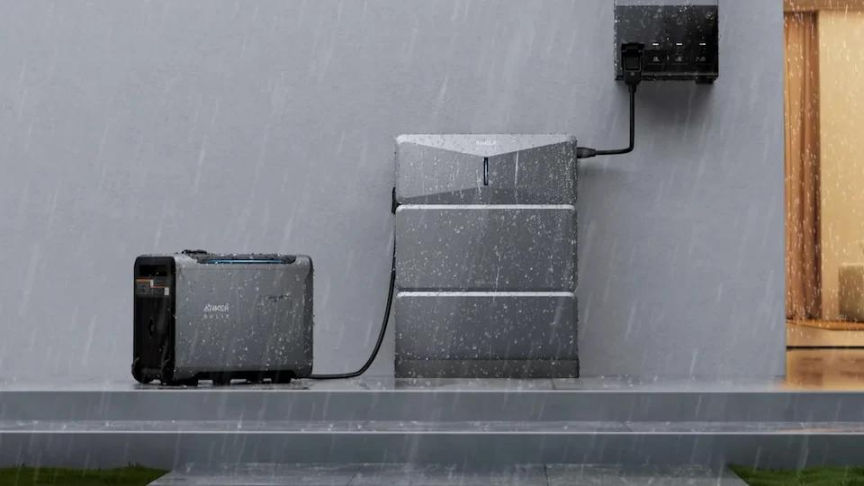
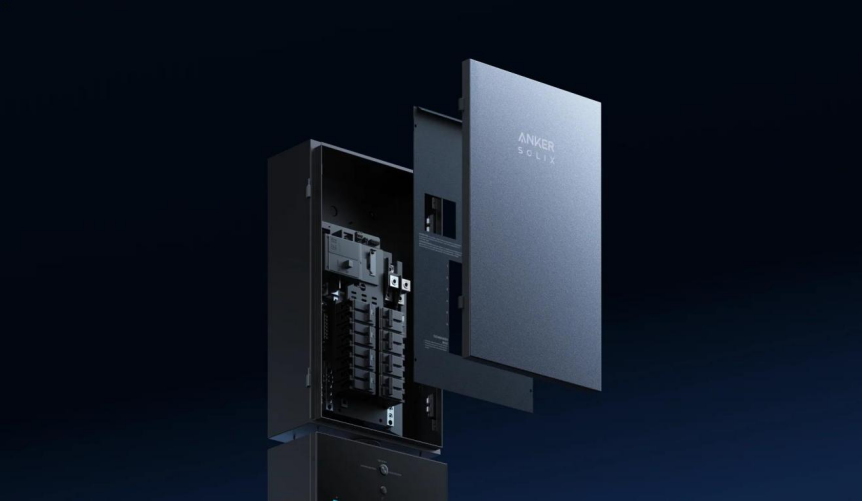
A battery backup system replenishes energy by recharging rather than consuming fuel. Under normal conditions, it can charge from grid electricity and remain ready for an outage. During a blackout, compatible solar can continue refilling the battery as panels produce power, extending backup time without fuel deliveries. The Anker SOLIX E10 Whole-Home Backup offers 6–90 kWh of expandable battery capacity, 9–27 kW solar input charging compatibility, and optional 4.5 kW Smart Generator integration to support longer outages. That combination allows homeowners to recharge from multiple sources and scale storage to match critical or whole-home loads. Recharging speed depends on charger capacity, solar conditions, and how much electricity the home uses.
What Keeps Whole-Home Backup Running During Extended Outages?
Fuel Availability, Consumption, and Delivery Access
During extended outages, a generator stays online only if fuel continues to reach it. Homes connected to natural gas may benefit from continuous supply, but performance still depends on utility service remaining intact. Propane or diesel systems must rely on stored reserves and timely refueling. Runtime drops faster when large HVAC systems, electric water heating, cooking appliances, or other heavy loads run frequently. Delivery access becomes critical after major weather events, when blocked roads, regional demand spikes, or supply shortages can delay refills. Homeowners planning for multi-day outages should calculate hourly and daily fuel burn at expected loads, then compare that consumption with tank size, refill timing, and local supplier response.
Usable Battery Storage, Solar Production, and Household Demand
A battery system remains effective in a long outage when stored energy, incoming solar, and household demand stay in balance. Usable storage determines how long the home can run overnight or through poor weather. Daytime solar production then restores part or all of that energy, depending on panel output and seasonal sunlight. Lowering demand by prioritizing refrigeration, lighting, internet, heating fans, or selected circuits can stretch runtime significantly. Heavy loads such as central air conditioning, resistance heat, and EV charging drain capacity much faster. For extended resilience, homeowners should match battery size and solar charging capability to realistic daily consumption instead of assuming nameplate storage alone will cover every appliance continuously.
Compare the Practical Costs of Staying Powered
Fuel Connections and Storage vs. Solar and Charging Equipment
The whole house generator cost includes equipment, transfer hardware, gas plumbing, or appropriately sized propane or diesel storage tanks. If on-site storage is used, installation must account for tank placement, code compliance, and refill access. A battery backup system shifts more of the investment toward storage units, power electronics, and, when desired, solar panels that can recharge during outages. Homes without existing solar usually face higher initial electrical and solar-related costs than a basic generator installation. However, that equipment can serve daily energy goals as well, reducing grid purchases and supporting self-consumption beyond emergency backup use.
Fuel Purchases and Servicing vs. Recharging and Battery Upkeep
Ongoing costs shape the real value of whole-home backup after installation. Generators require fuel purchases whenever they run, and long outages can make operating expenses rise quickly. They also need periodic servicing, including oil changes, inspections, filter replacement, and test runs to stay dependable. Battery systems avoid combustion-related servicing and can recharge from grid power or solar, which may lower operating costs over time. Charging from solar can be especially attractive where electricity prices are high or outages are frequent. Battery ownership still includes long-term upkeep considerations, such as monitoring performance and planning for eventual replacement. For many homes, lower routine maintenance offsets part of the higher initial battery investment.
Conclusion
Fuel supply and battery recharging answer the same backup need in very different ways. Generators offer familiar long-run operation when fuel is available, while batteries provide quieter backup that can recharge from the grid or compatible solar. For short outages, both can work well. For longer events, the strongest option is the one with the most dependable replenishment path for your home: secure fuel access or enough storage and solar to restore daily use. Comparing outage patterns, household loads, installation costs, and ongoing operating expenses will lead to a more reliable whole-home backup plan.